
Floors influence both the visual character of a home and the safety of the people living in it. While aesthetics often guide tile selection, safety deserves equal attention, especially in areas exposed to water, moisture, or heavy foot traffic. Slips and falls are among the most common household accidents, particularly in bathrooms, kitchens, balconies, and outdoor spaces.
This is where slip-resistant tiles become essential. Designed with surface textures and friction-enhancing properties, these tiles reduce the risk of slipping while maintaining a clean, refined appearance. When selected thoughtfully, they protect residents, especially children and seniors, without compromising design.
This guide explains how to select the right anti-skid tiles, where to use them, and what technical factors homeowners should consider before installing them. The insights are aligned with the premium tile collections available at Maruthi Ceramics, where homeowners and designers can explore surfaces that balance safety and style.
Why Slip-Resistant Tiles Matter in Modern Homes
A safe floor is not simply about avoiding glossy finishes. It involves understanding how friction, surface texture, and material composition influence grip.
Water, soap, oil, and dust reduce friction between the foot and the floor. Smooth surfaces become particularly hazardous when wet. This is why architects increasingly recommend slip-resistant tiles for critical zones such as bathrooms, kitchens, balconies, terraces, and entryways.
The benefits include:
- Reduced risk of slips and falls
- Improved safety for children and senior citizens
- Better performance in wet areas
- Durable surfaces designed for daily use
- Compliance with modern building safety standards
By integrating safety into tile selection, homeowners create spaces that feel comfortable and secure without sacrificing aesthetics.
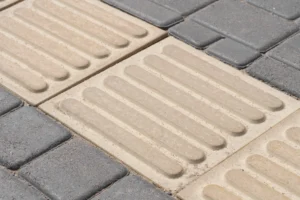
Slip-Resistant Tiles: Understanding the Science Behind Safety
The performance of slip-resistant tiles depends largely on surface friction. Tiles are often rated based on their coefficient of friction (COF), which measures how much grip a surface offer.
In practical terms:
- Higher COF values indicate better slip resistance
- Wet-area floors usually require higher grip levels
- Surface textures and tile materials influence traction
Another standard used in tile safety evaluation is the R-rating, particularly in commercial and European testing systems. While residential tiles may not always display R ratings, manufacturers design anti-skid surfaces to meet similar safety expectations.
Textured surfaces increase friction by creating micro-grip points that reduce sliding, even when water or soap is present.
Where Slip-Resistant Tiles Are Most Important
Not every room requires the same level of slip resistance; however, certain areas of the home benefit significantly from safety-focused flooring.
Bathrooms and Wet Areas:
Bathrooms remain the most common location for household slips. Water, soap, and smooth tile surfaces create conditions where accidents occur easily.
This is why bathroom safety tiles are designed with subtle textures that improve grip without making cleaning difficult.
Recommended features for bathroom floors include:
- Matte or textured surfaces
- Smaller tiles with more grout lines for traction
- Anti-skid ceramic or vitrified finishes
When paired with proper drainage and shower partitions, these tiles significantly improve safety.
Kitchens and Utility Areas:
Kitchens often experience water spills, oil splashes, and heavy foot traffic. Smooth floors can become slippery during cooking.
Choosing safe kitchen tiles ensures that the floor remains stable even during busy meal preparation.
Important considerations include:
- Easy-to-clean textures
- Medium grip levels that balance safety with maintenance
- Stain-resistant surfaces
Tiles that combine durability with grip work best in these high-use zones.
Outdoor Spaces and Balconies:
Balconies, terraces, and outdoor walkways are exposed to rain and dust. Without proper surface grip, these areas can become dangerous.
Outdoor non-slip tiles are designed to withstand weather while maintaining traction. They typically feature deeper textures and durable finishes.
Ideal applications include:
- Balcony floors
- Garden walkways
- Poolside areas
- Entry pathways
These tiles often incorporate weather-resistant coatings and high-density materials to prevent erosion and surface wear.
Textured Flooring Tiles for Senior Citizens
Home design increasingly considers ageing-friendly environments. For elderly residents, floor safety becomes even more critical because balance and mobility may be reduced.
Textured flooring tiles for senior citizens provide better grip and help reduce the likelihood of falls.
Important features include:
- Soft textures that do not feel abrasive underfoot
- Moderate grip that allows easy walking with footwear
- Matte finishes that reduce glare
Many homeowners choose slip-resistant tiles across entire living spaces to ensure consistent safety.
Slip-Resistant Tiles vs Anti-Skid Tiles: Are They Different?
The terms slip-resistant tiles and anti-skid tiles are often used interchangeably, but there are subtle distinctions.
Anti-skid tiles typically refer to tiles with engineered textures or coatings designed specifically to prevent slipping.
Slip-resistant tiles, on the other hand, describe a broader category of flooring surfaces designed to provide higher friction.
Both categories serve the same purpose: improving floor safety.
Manufacturers achieve this through:
- Micro-textured surfaces
- Matte glazes
- Structured tile finishes
- Specialized coatings
Homeowners should focus less on terminology and more on the actual surface performance.
Ceramic vs Vitrified Tiles for Slip Resistance
When choosing flooring materials, many homeowners compare ceramic vs vitrified tiles to determine which offers better safety.
Both materials can be manufactured with anti-slip surfaces, but they differ in composition and density.
Ceramic Tiles:
Ceramic tiles are typically more porous and slightly softer than vitrified tiles. They are commonly used in:
- Bathrooms
- Indoor floors
- Walls
Textured ceramic tiles provide reliable slip resistance in wet areas.
Vitrified Tiles:
Vitrified tiles are denser and produced through a vitrification process that fuses materials at very high temperatures. This makes them:
- Less porous
- Highly durable
- Suitable for heavy traffic areas
Manufacturers now produce matte and structured vitrified tiles with strong anti-slip performance.
For most residential applications, both materials work well as long as the tile surface is specifically designed for slip resistance.
Balancing Safety and Style
A common misconception is that anti-skid tiles look rough or unattractive. Modern manufacturing techniques have changed that perception.
Today’s slip-resistant tiles are available in a wide variety of finishes:
- Stone-inspired surfaces
- Wood-look textures
- Minimalist matte designs
- Concrete-style tiles
- Patterned surfaces
These tiles blend safety with contemporary design, allowing homeowners to maintain aesthetic continuity across rooms.
Large-format matte tiles are particularly popular because they create seamless visual flow while still providing traction.
Maintenance Tips for Slip-Resistant Tiles
Proper maintenance ensures that anti-slip surfaces remain effective over time.
Recommended practices include:
- Regular cleaning to remove soap residue and oil
- Avoiding wax-based floor polishes that reduce friction
- Using mild cleaners that preserve texture
- Ensuring proper drainage in wet zones
When maintained correctly, slip-resistant tiles retain their safety properties for many years.
Why Choose Maruthi Ceramics for Safety-Focused Tiles
Choosing the right tiles requires both product knowledge and design insight. At Maruthi Ceramics, homeowners and designers can explore a curated range of tiles designed for performance, durability, and safety.
Their collection includes:
- Premium anti-skid floor tiles
- Bathroom safety tiles
- Outdoor non-slip tiles
- Textured flooring tiles suitable for senior-friendly homes
- High-quality ceramic and vitrified tile options
With expert guidance and a wide range of styles, Maruthi Ceramics helps homeowners create interiors that prioritize both comfort and safety.
Conclusion: Safe Floors Create Better Homes
Flooring choices influence more than aesthetics; they shape everyday safety. By choosing slip-resistant tiles, homeowners reduce risks while maintaining modern, elegant interiors.
Whether it is bathroom safety tiles, safe kitchen tiles, or outdoor non-slip tiles, the right surface can transform a space into one that is secure, functional, and visually refined.
For expert assistance in selecting the right anti-skid surfaces for your home, visit Maruthi Ceramics and explore tile solutions that combine safety with sophisticated design.