
Accent walls are no longer confined to just paint or wallpaper. In contemporary interiors, materials define character, and mosaics are among the most expressive options available. With their small formats, varied textures, and reflective qualities, mosaics can transform an otherwise simple wall into a focal point.
Among these, Glass mosaic wall tiles stand out for their ability to interact with light, while stone mosaics bring depth and natural variation. When used correctly, both materials create layered, durable, and visually engaging surfaces.
For homeowners, designers, and architects exploring curated options, collections at Maruthi Ceramics offer a wide spectrum of mosaic styles suited for kitchens, bathrooms, pools, and feature walls.
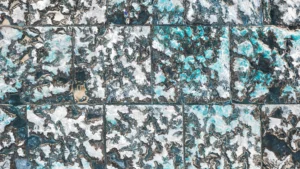
Why Mosaics Are Ideal for Accent Walls
Mosaics work differently from large-format tiles. Instead of creating seamless surfaces, they introduce rhythm, pattern, and texture. This makes them particularly effective for decorative wall surfaces where visual interest is important.
Key advantages of mosaic tiles:
- Small tile units allow intricate patterns
- Flexible sheets adapt to curved or uneven surfaces
- High design versatility across styles
- Durable and water-resistant (especially glass mosaics)
- Strong visual impact without requiring large areas
Because of these qualities, mosaics are often used selectively to highlight one section of a wall rather than covering the entire space.
Glass Mosaic Wall Tiles: Light, Depth, and Reflection
The defining feature of Glass mosaic wall tiles is how they respond to light. Unlike matte materials, glass reflects and refracts light, creating subtle variations throughout the day.
Where Glass Mosaics Work Best
- Kitchen backsplashes
- Bathroom feature walls
- Shower niches
- Bar counters and lounge areas
Glass mosaics are particularly effective in compact spaces because they enhance brightness and create a sense of depth.
Design Logic Behind Glass Mosaics
- Reflective surfaces make rooms feel larger
- Translucent finishes add visual layering
- Light interaction highlights grout lines and patterns
For best results, pair glass mosaics with focused lighting. Under-cabinet LEDs or wall washers can significantly enhance their effect.
Glass Mosaic Wall Tiles for Kitchen Applications
Kitchens benefit from materials that are easy to clean while maintaining visual appeal. Kitchen mosaic tiles made of glass are ideal for backsplash areas.
Why Glass Mosaics Work in Kitchens
- Non-porous surface resists stains and moisture
- Easy to wipe clean after cooking
- Reflects light, brightening work areas
- Adds detail without overwhelming the design
A well-designed backsplash using Glass mosaic wall tiles can act as a visual anchor, especially when paired with neutral cabinetry and countertops.
Stone Mosaic Backsplash: Natural Texture with Depth
While glass emphasizes reflection, stone mosaics bring a grounded, tactile quality. A stone mosaic backsplash introduces variation in tone, texture, and surface depth.
Benefits of Stone Mosaics
- Natural colour variation creates visual richness
- Matte textures reduce glare
- Durable and suitable for long-term use
- Complements wood, metal, and neutral palettes
Stone mosaics are often used in:
- Rustic kitchens
- Transitional interiors
- Feature walls in living rooms
- Fireplace surrounds
Sealing is recommended for certain stone types to prevent moisture absorption and staining.
Glass Mosaic Wall Tiles in Shower Accent Walls
Bathrooms are ideal spaces for mosaic applications because of their scale and lighting conditions. A shower accent wall using mosaics creates a clear focal point.
Designing Shower Accent Walls
- Use mosaics on a single wall to avoid visual clutter
- Combine with large-format tiles for contrast
- Choose slip-resistant finishes for wet areas
- Integrate niches with the same mosaic pattern
Glass mosaics enhance light in enclosed shower areas, while stone mosaics add texture and contrast.
The key is balance; too much pattern can overwhelm a small bathroom, while a focused accent creates clarity.
Designer Mosaic Tiles in Bangalore: Exploring Custom Styles
The demand for designer mosaic tiles in Bangalore has grown as homeowners seek distinctive surfaces that reflect personal style.
Popular Mosaic Styles
- Linear strip mosaics for modern spaces
- Mixed-material mosaics combining glass and stone
- Metallic-finish mosaics for contemporary interiors
- Geometric patterns for structured designs
Custom blends allow designers to create unique surfaces that align with specific themes, from minimal to expressive.
At Maruthi Ceramics, curated collections help simplify this selection process by offering coordinated options across materials and finishes.
Glass Mosaic Wall Tiles for Swimming Pool Tiles
Mosaics are widely used in pools due to their durability and flexibility. Swimming pool tiles made of glass are particularly effective because they handle water exposure and reflect light beautifully.
Why Glass Mosaics Are Ideal for Pools
- Resistant to water and chemicals
- Maintain colour under UV exposure
- Create shimmering visual effects underwater
- Adapt to curved pool surfaces
Colour selection plays an important role. Blue tones enhance depth, while lighter shades create a more open, resort-like feel.
Interior Mosaic Design: Where and How to Use It
Effective interior mosaic design relies on placement and proportion. Mosaics should highlight specific zones rather than dominate the entire space.
Best Areas for Mosaic Applications
- Kitchen backsplashes
- Bathroom vanity walls
- Shower enclosures
- Feature panels in living rooms
- Staircase risers
- Bar or lounge counters
Design Guidelines
- Limit mosaics to one focal surface per room
- Pair with plain tiles to create contrast
- Use lighting to highlight texture
- Maintain colour consistency across the space
These principles ensure that mosaics enhance rather than overwhelm the design.
Luxury Accent Tiles: Creating High-Impact Surfaces
Mosaics are often classified as luxury accent tiles because of their visual detail and craftsmanship. They allow designers to introduce complexity without increasing the scale of materials.
What Makes Mosaics a Luxury Element
- Precision in tile size and layout
- Use of premium materials such as glass and natural stone
- tone
- Ability to create intricate patterns
- Strong interaction with light
In boutique hotels and high-end residences, mosaics are used to create memorable visual moments, entry walls, spa areas, and statement bathrooms.
Installation and Maintenance: What to Consider
Proper installation is critical for mosaic performance. Because mosaics come in small pieces, alignment and grouting must be handled carefully.
Installation Tips
- Use high-quality adhesives suitable for the application area
- Ensure even substrate preparation
- Maintain consistent grout spacing
- Choose grout colours that complement the tile design
Maintenance Guidelines
- Clean regularly to prevent grout discoloration
- Use mild cleaners to protect finishes
- Seal natural stone mosaics where required
Well-installed mosaics can retain their appearance and performance for many years.
Conclusion: Make Every Wall Count
Accent walls define how a space is remembered. With the right materials, even a small surface can become a focal point that enhances the entire room.
By using Glass mosaic wall tiles, along with stone mosaics and other luxury accent tiles, homeowners and designers can create surfaces that offer depth, texture, and visual clarity.
Whether it’s a shower accent wall, a stone mosaic backsplash, or a feature panel in a living space, mosaics provide a versatile and lasting design solution.
To explore curated collections and expert advice, visit Maruthi Ceramics and discover how mosaic tiles can transform your interiors with precision and purpose.