
Interior design in 2026 is moving toward surfaces that feel grounded, tactile, and authentic. Clean, flat finishes are gradually giving way to materials that offer depth, variation, and a sense of craft. This shift is not about decoration; it’s about how spaces are experienced.
At the centre of this movement is the textured wall tiles trend 2026, where clay-inspired finishes, concrete surfaces, and structured ceramics are redefining modern interiors. Architects, boutique hotel designers, and style-conscious homeowners are increasingly choosing tiles that do more than cover walls; they shape a space’s identity.
This blog explores how these emerging materials are being used, why they work, and how to integrate them effectively using curated collections available at Maruthi Ceramics.
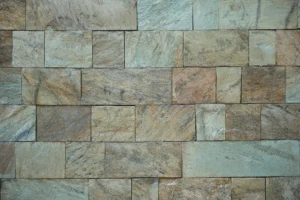
Why Textured Surfaces Are Defining Interiors in 2026
Flat surfaces reflect light uniformly, which can make interiors feel visually static. Textured materials, on the other hand, interact with light dynamically. Shadows shift throughout the day, surfaces gain depth, and walls become design elements rather than backgrounds.
Three key design shifts drive the rise of the textured wall tiles trend 2026:
- A move toward natural and material-led aesthetics
- Preference for tactile, sensory experiences in interiors
- Increased use of indirect and architectural lighting
Together, these trends create spaces that feel layered, balanced, and visually engaging without relying on excessive décor.
The Rise of Concrete Finish Tiles
Concrete is no longer limited to industrial spaces. Refined concrete finish tiles are now widely used in premium interiors for their understated and structured appearance.
Concrete-inspired surfaces offer:
- Neutral tones that pair easily with wood, metal, and glass
- Subtle texture that adds depth without overwhelming the space
- A matte finish that reduces glare and enhances lighting effects
These tiles are especially effective in:
- Living room feature walls
- Commercial lobbies
- Minimalist bedrooms
- Boutique retail interiors
Unlike raw concrete, ceramic and vitrified versions provide durability, stain resistance, and ease of maintenance.
Clay Tiles for Walls Bring Warmth Back
While concrete delivers structure, clay tiles for walls introduce warmth and a sense of tradition. Inspired by natural terracotta and handmade finishes, these tiles are becoming a key element in residential and hospitality design.
Clay-inspired surfaces offer:
- Earthy tones that create a calming atmosphere
- Subtle imperfections that feel handcrafted
- Compatibility with both modern and traditional spaces
These tiles are widely used in:
- Accent walls in living rooms
- Dining areas with warm lighting
- Courtyard-style interiors
- Boutique hotels seeking a regional aesthetic
Designers often pair clay tiles with soft lighting to enhance their depth and tonal variation.
Moving Beyond Flat Surfaces
The demand for designer wall textures is increasing as homeowners seek distinctive interiors. Instead of relying on paint or wallpaper, textured tiles provide long-lasting, maintenance-friendly solutions.
Types of Designer Wall Textures
- Linear grooves for a contemporary look
- Geometric patterns for structured spaces
- Organic textures inspired by stone or fabric
- Mixed-finish surfaces combining matte and gloss
These textures work particularly well when used selectively. A single feature wall can define the character of an entire room.
The Impact of 3D Ceramic Tiles
Among the most expressive materials in the textured wall tiles trend 2026 are 3D ceramic tiles. These tiles introduce sculptural depth, allowing walls to function as architectural elements.
Best suitable for:
- Reception areas and entrance walls
- Hotel corridors and lounge spaces
- Living room feature panels
- High-ceilinged interiors
The key to using 3D tiles effectively lies in lighting. Directional lighting enhances shadows, bringing out the full dimensional effect.
Designers often use neutral colours in 3D tiles to keep the focus on form rather than colour contrast.
Bathroom Texture Tiles: Functional and Visual Balance
Bathrooms are evolving into design-focused spaces where texture plays a crucial role. Bathroom texture tiles provide both safety and aesthetic value.
Why Texture Matters in Bathrooms
- Enhances grip in wet areas
- Adds depth to compact spaces
- Works well with layered lighting
- Reduces the need for excessive decorative elements
Popular applications include:
- Shower walls with vertical textures
- Vanity backdrops with stone-inspired finishes
- Partial accent walls to create zoning
When combined with soft lighting and glass partitions, textured tiles make bathrooms feel larger and more refined.
Rustic Finish Tiles: Bringing Raw Character Indoors
The shift toward authenticity has increased the popularity of rustic finish tiles. These tiles replicate weathered surfaces, aged stone, and natural imperfections.
Where Rustic Tiles Fit Best
- Farmhouse-style homes
- Cafe and restaurant interiors
- Outdoor seating areas
- Transitional indoor-outdoor spaces
Rustic tiles are often used alongside wood finishes and warm lighting to create a cohesive, grounded environment.
Their slightly uneven surfaces interact with light in a way that adds visual richness without appearing overly polished.
Exposed Brick Tiles: A Timeless Comeback
Exposed brick tiles are making a strong return in both residential and commercial interiors. They offer a familiar yet versatile design element that works across styles.
Why Brick Textures Remain Relevant
- Instantly create visual warmth
- Add architectural character
- Work well in both modern and industrial themes
- Pair effectively with metal, wood, and glass
Applications include:
- Living room accent walls
- Kitchen backsplashes
- Cafe interiors
- Office breakout spaces
Modern brick tiles are available in controlled finishes, making them easier to maintain than traditional exposed brick walls.
How to Use Textured Tiles Without Overloading the Space
While textured tiles offer a strong visual impact, balance is essential. Overuse can make interiors feel heavy or cluttered.
Design Guidelines for Effective Use
- Limit textures to feature areas
Use textured tiles on one or two walls rather than the entire room. - Pair with neutral surfaces
Combine textured walls with smooth flooring or plain painted walls. - Use lighting strategically
Indirect lighting highlights textures without creating harsh shadows. - Maintain colour consistency
Stick to a cohesive palette to ensure visual harmony.
These principles help maintain clarity while allowing textures to stand out.
Why Maruthi Ceramics Is the Right Destination for Textured Tiles
Exploring the right materials requires access to a curated range and expert guidance. At Maruthi Ceramics, designers and homeowners can discover a wide selection of textured tiles that align with current design trends.
Their collection includes:
- Concrete finish tiles
- Clay-inspired wall tiles
- Designer wall textures
- 3D ceramic tiles
- Bathroom texture tiles
- Rustic finish tiles
- Exposed brick tiles
With a focus on quality, design relevance, and durability, Maruthi Ceramics helps create interiors that reflect both current trends and long-term usability.
Texture Is the New Language of Interior Design
The textured wall tiles trend 2026 reflects a broader shift toward material-driven design. Surfaces are no longer just visual elements; they shape how spaces feel and function.
From concrete finish tiles and clay tiles for walls to 3D ceramic tiles and exposed brick tiles, textured surfaces bring depth, character, and authenticity into modern interiors.
For architects, designers, and homeowners looking to stay ahead of evolving design trends, textured tiles offer a practical and impactful way to redefine spaces.
To explore the latest collections and expert recommendations, visit Maruthi Ceramics and discover how texture can transform your interiors with clarity and purpose.